Social ↔ Intimate · Platform / Installation / Locative Sound / Audio AR / Transmedia

Wellywood

2012 · Wellington, New Zealand

Wellywood

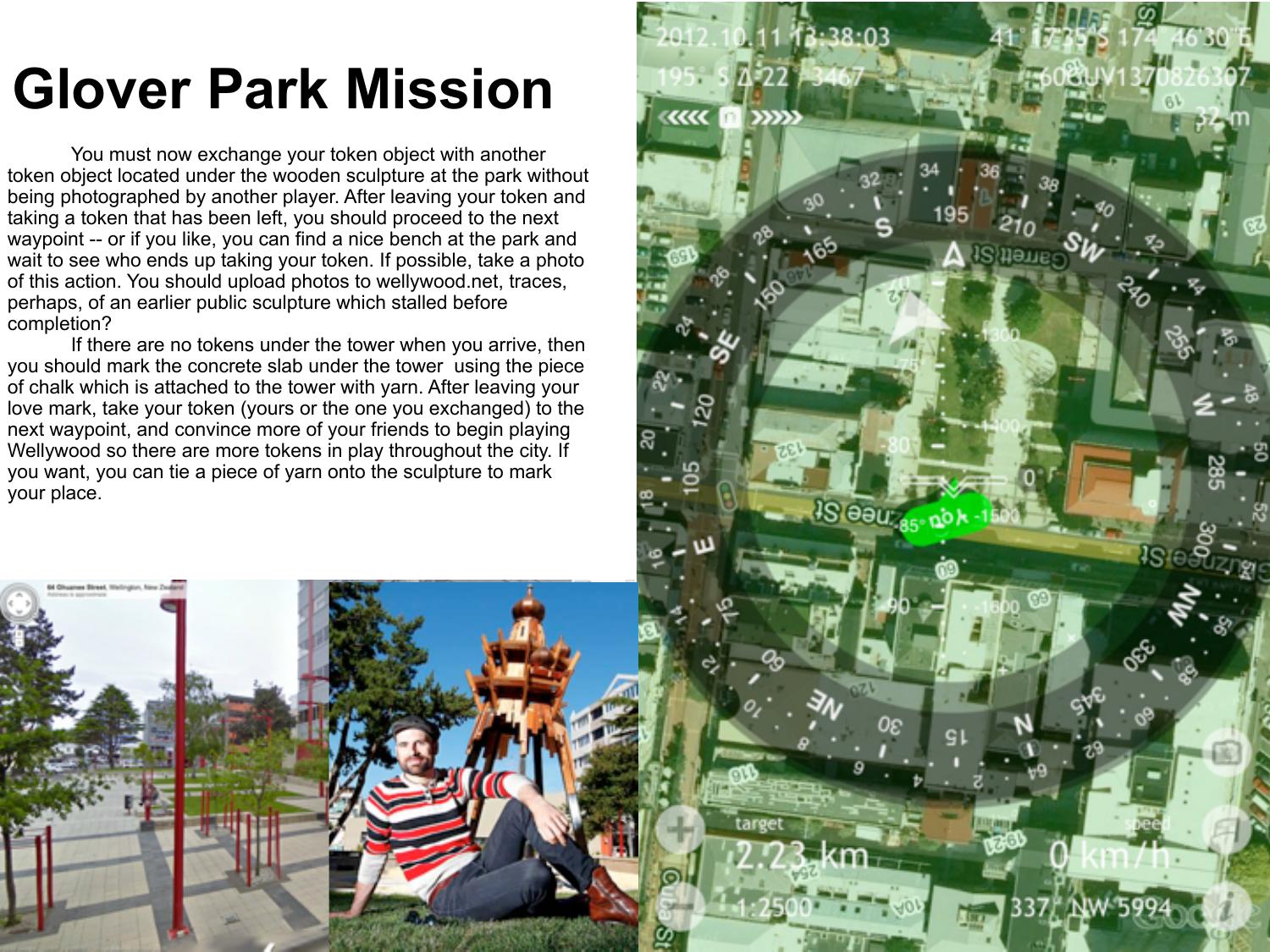
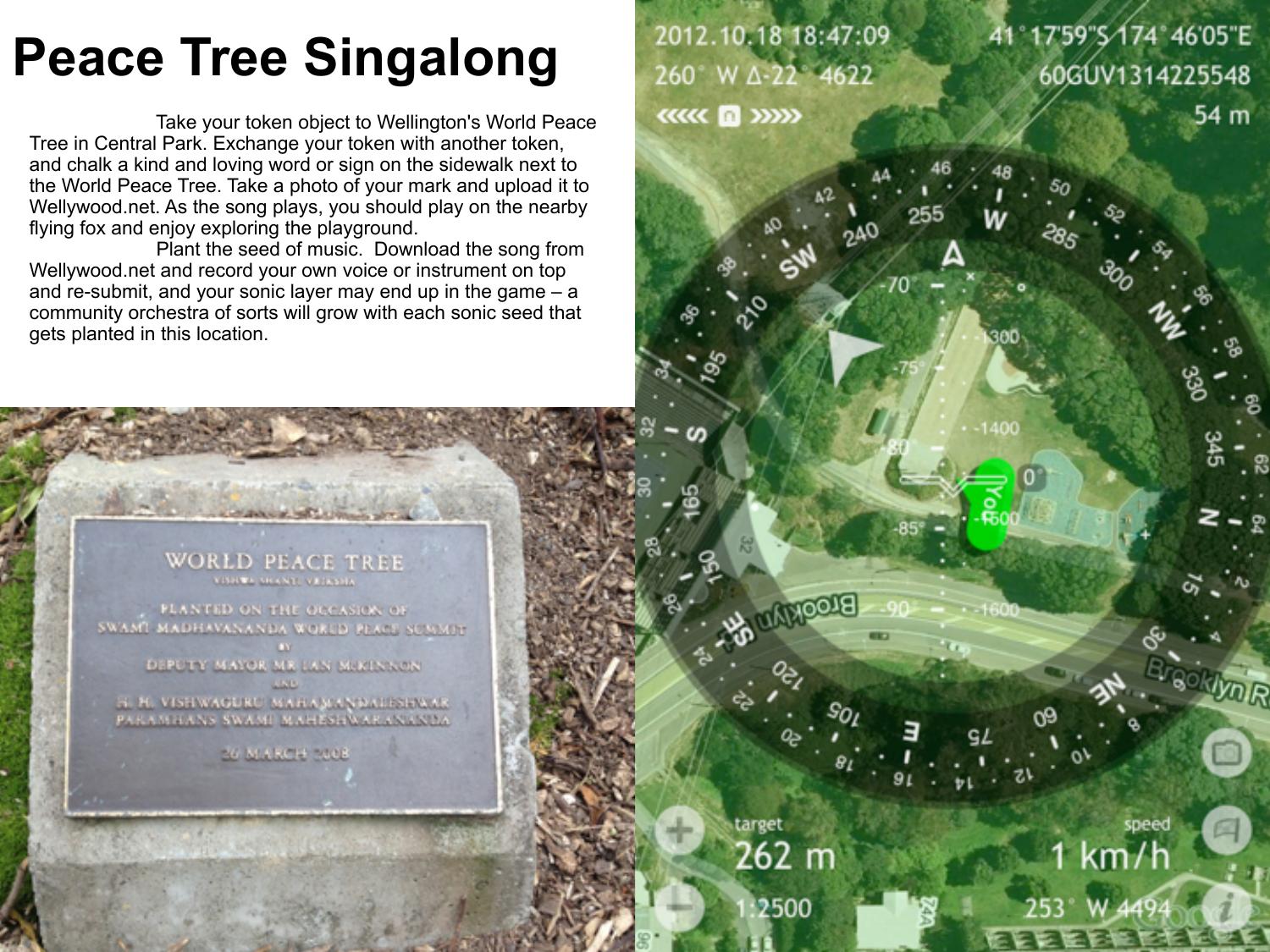
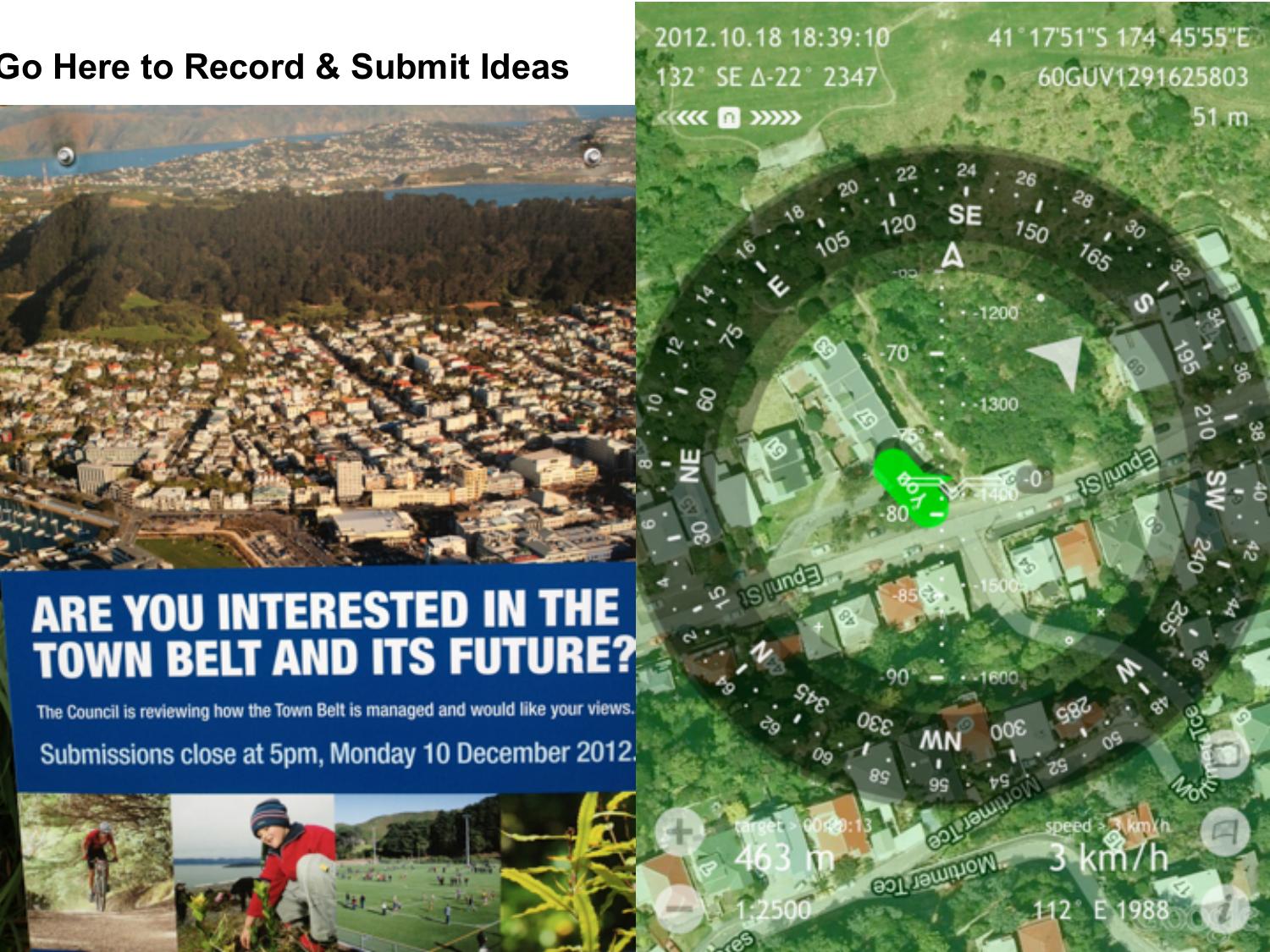
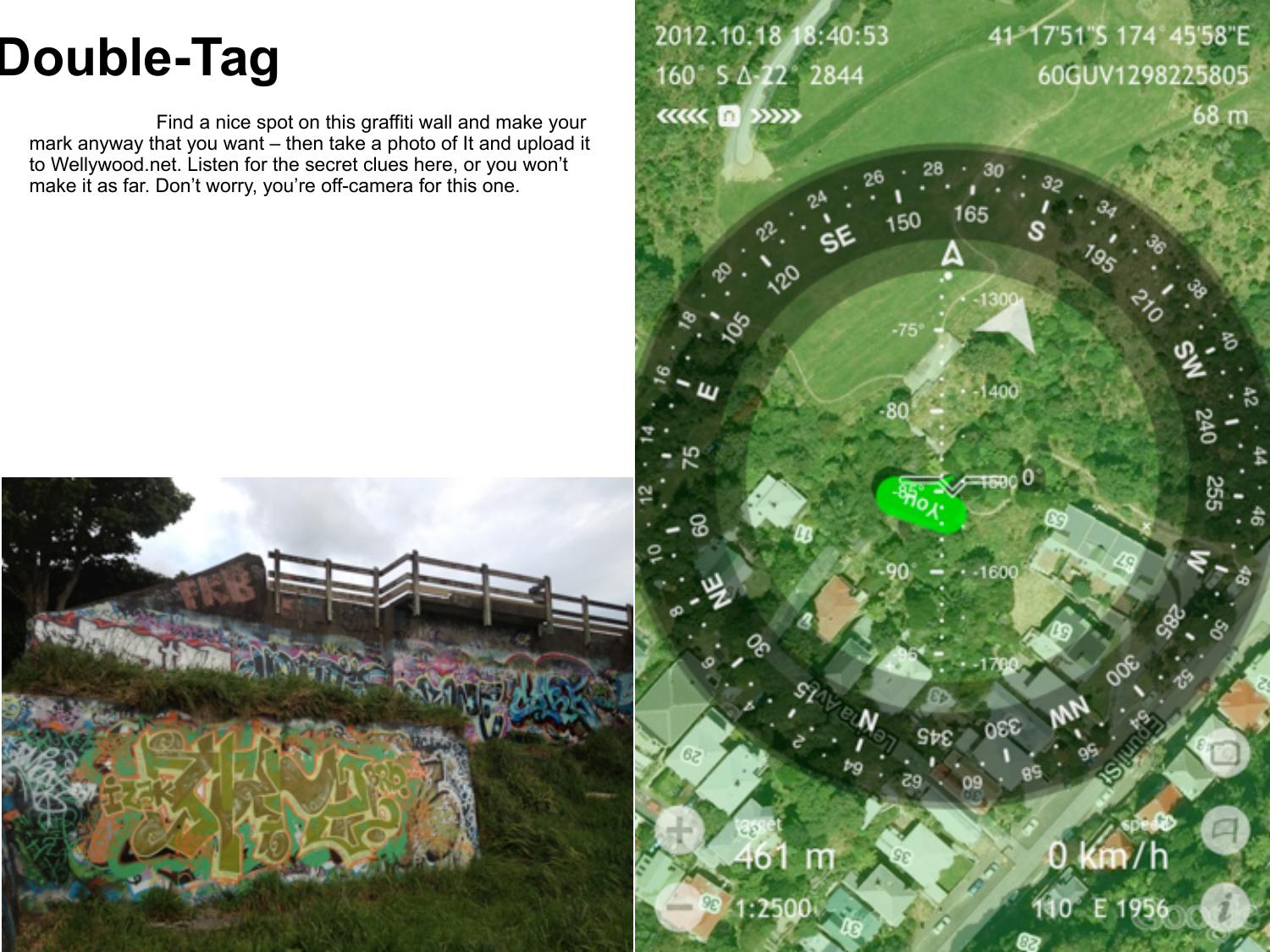
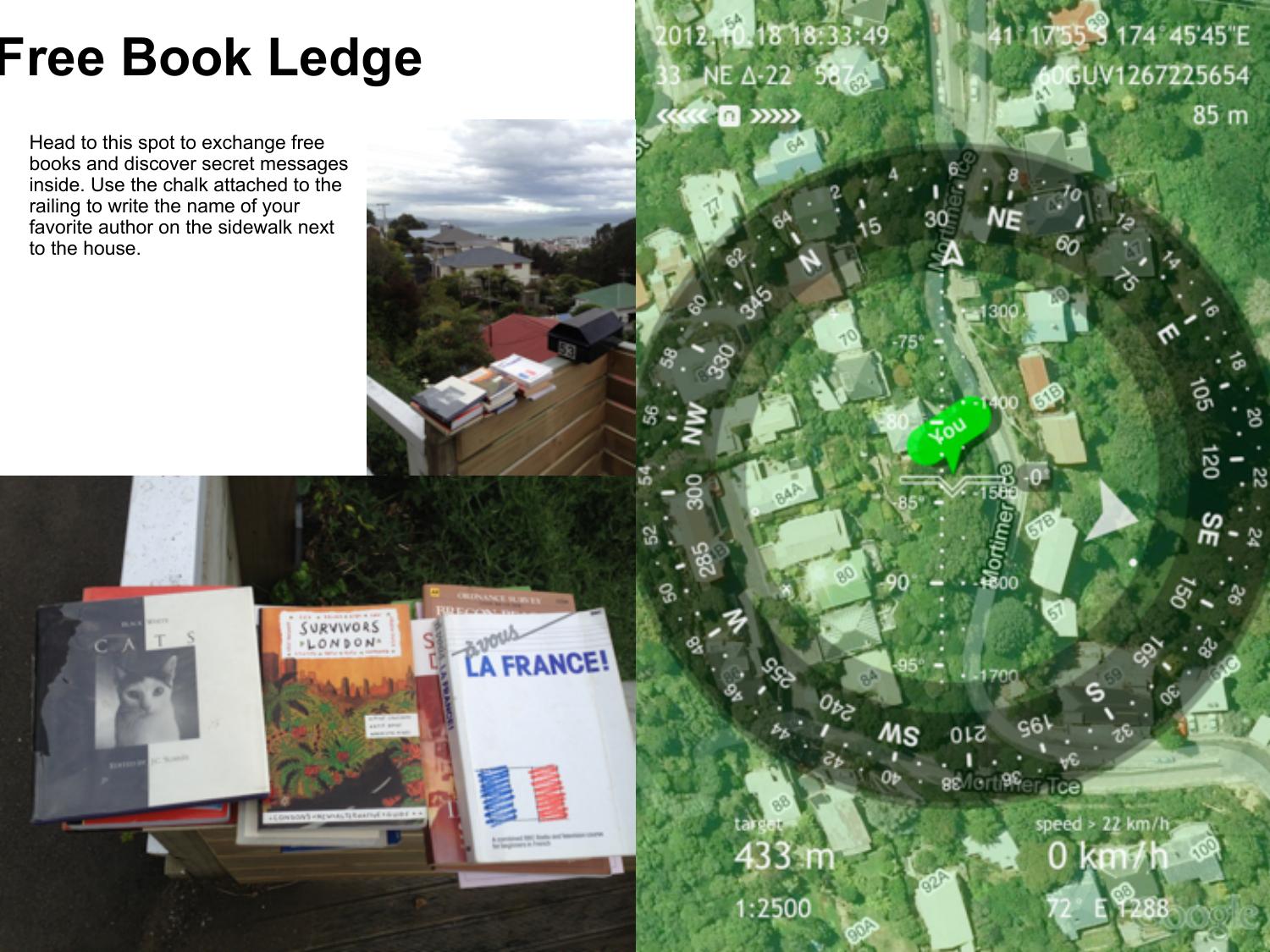
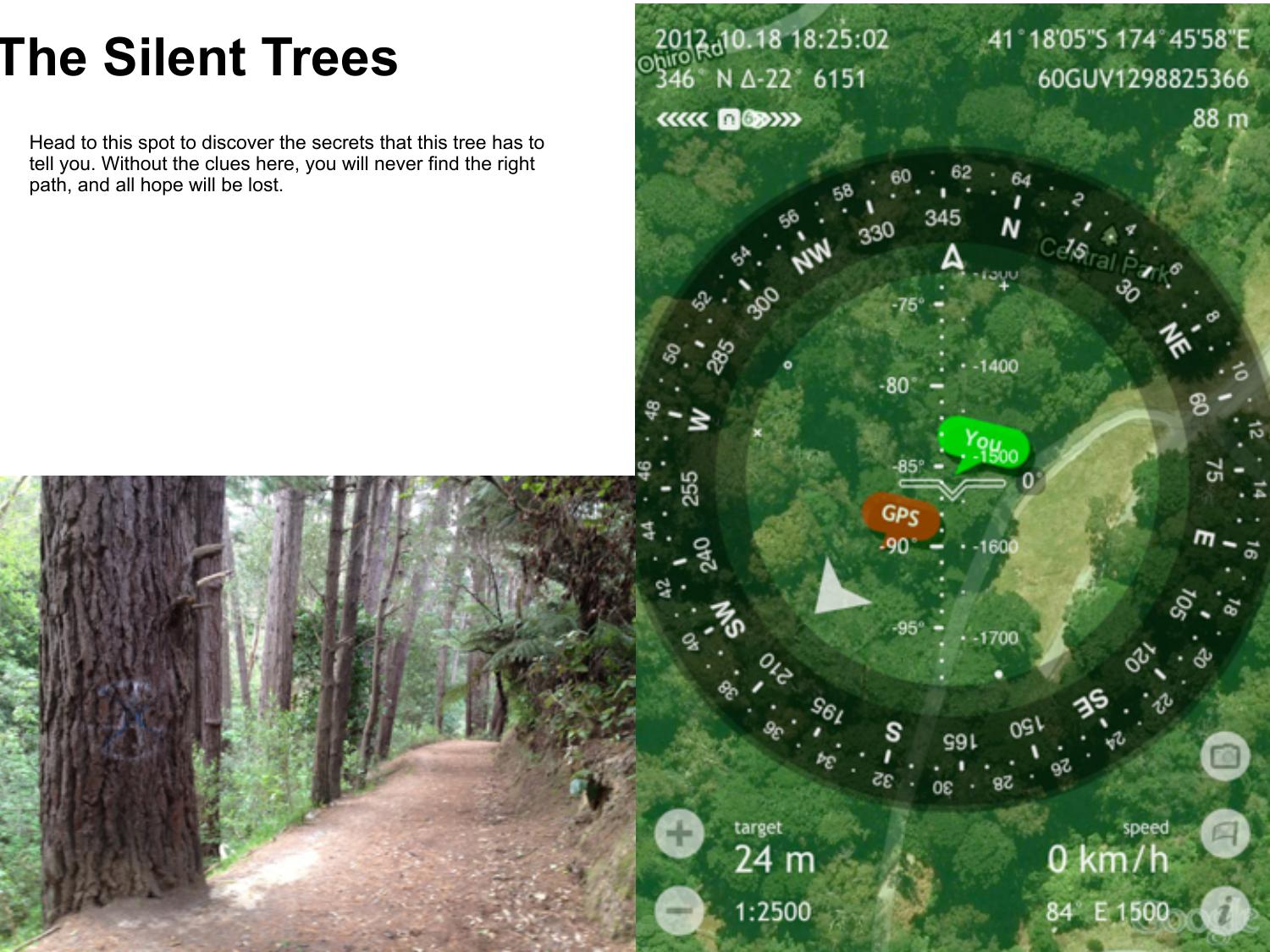
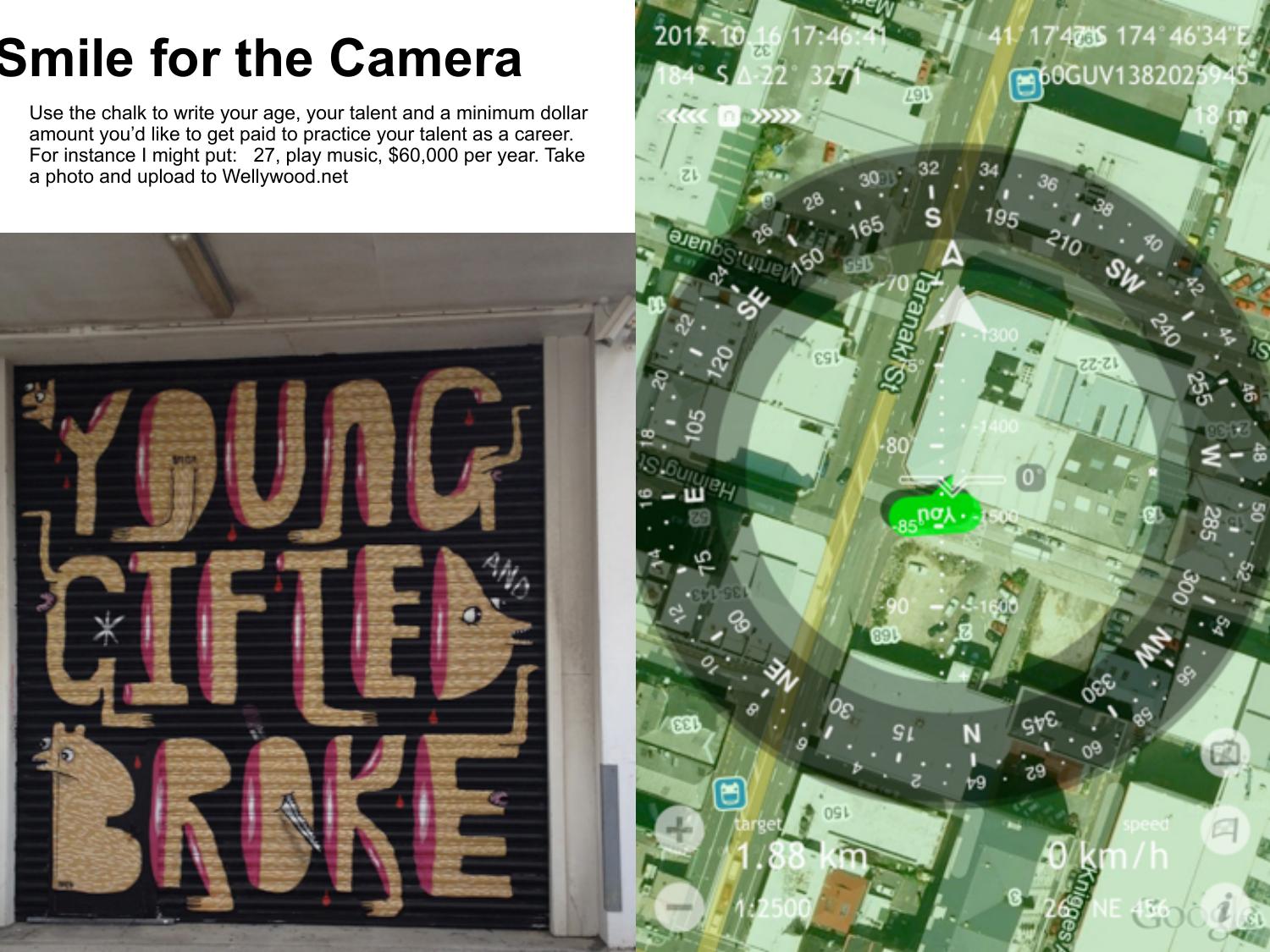
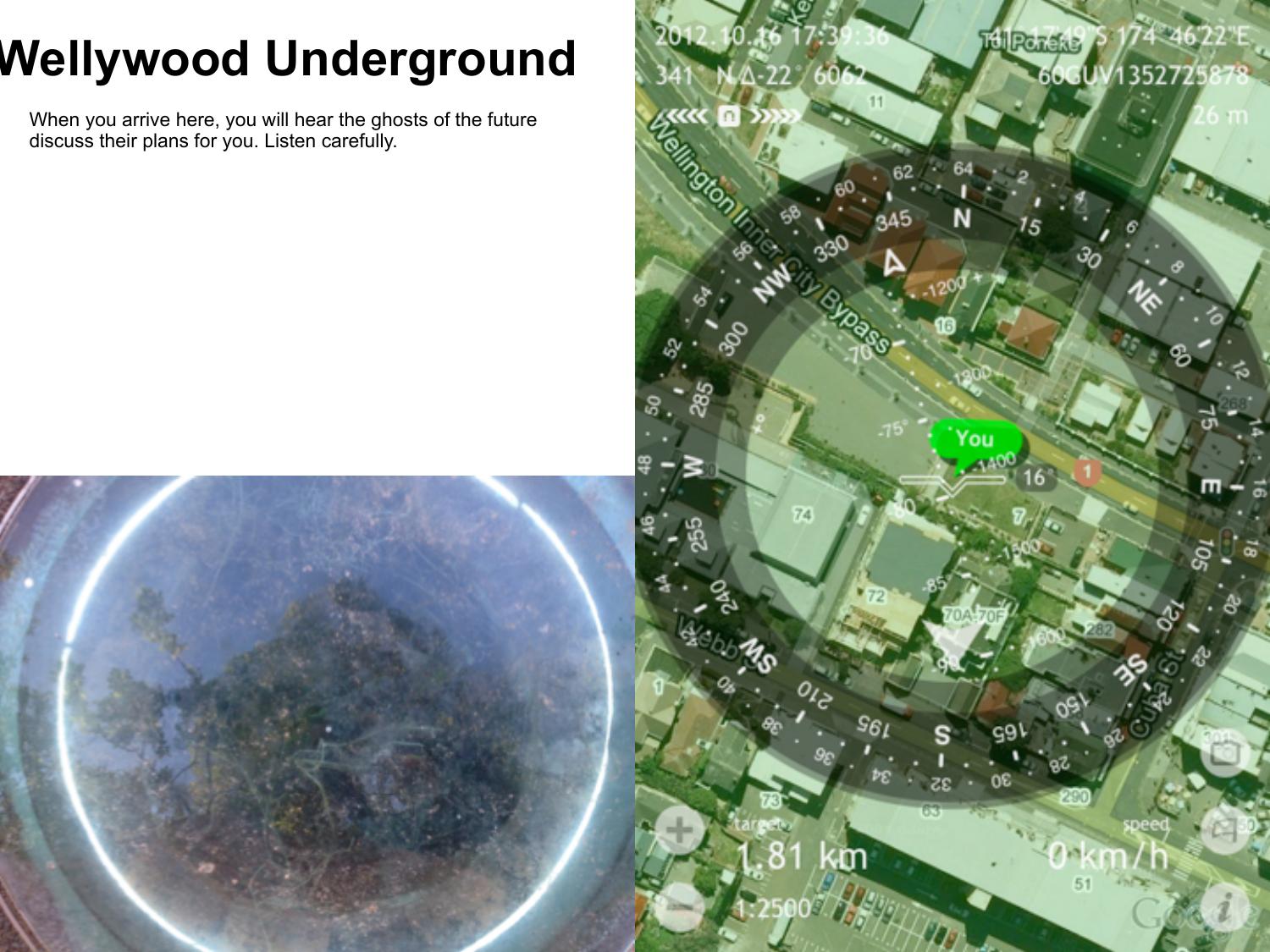
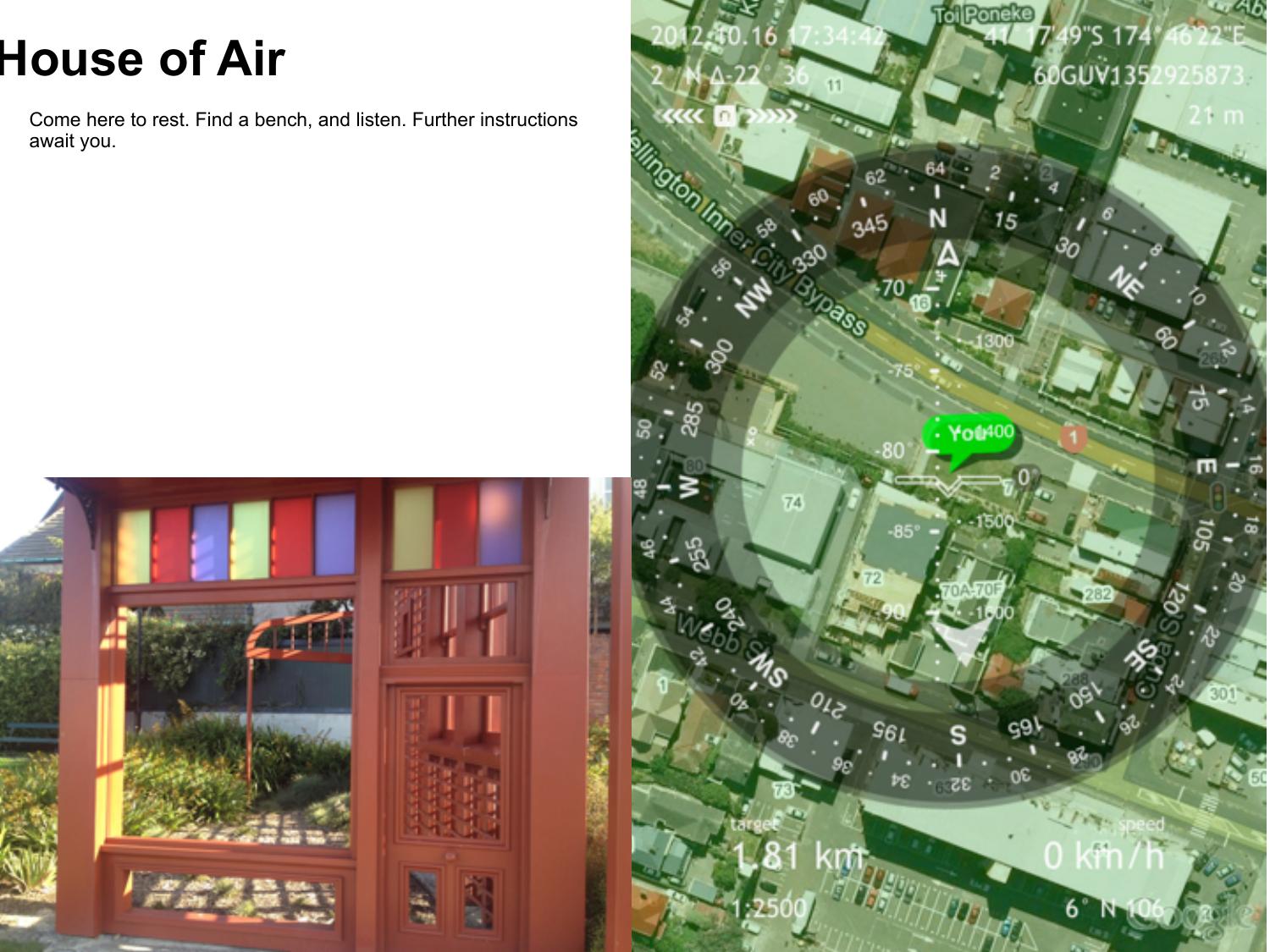
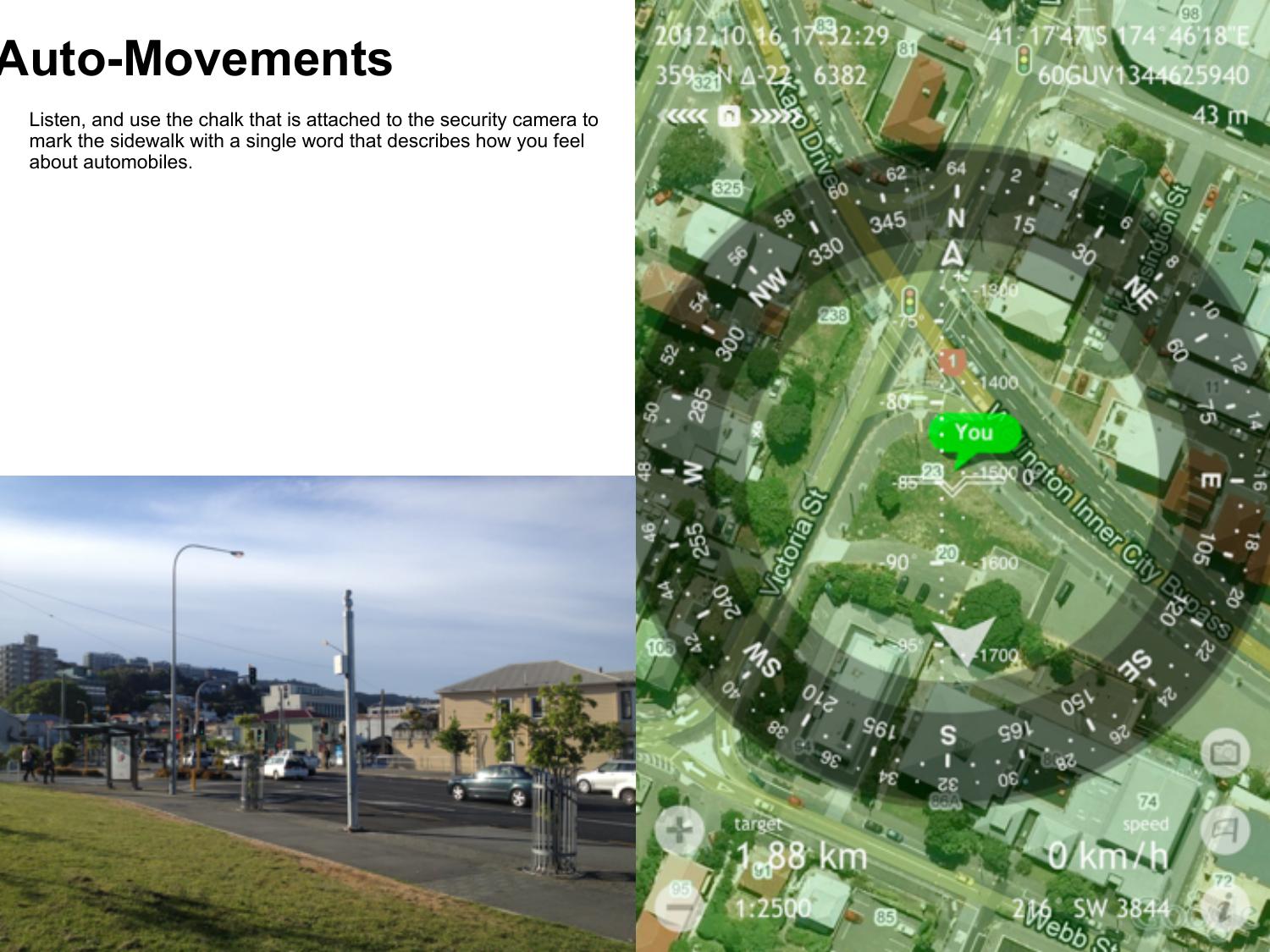
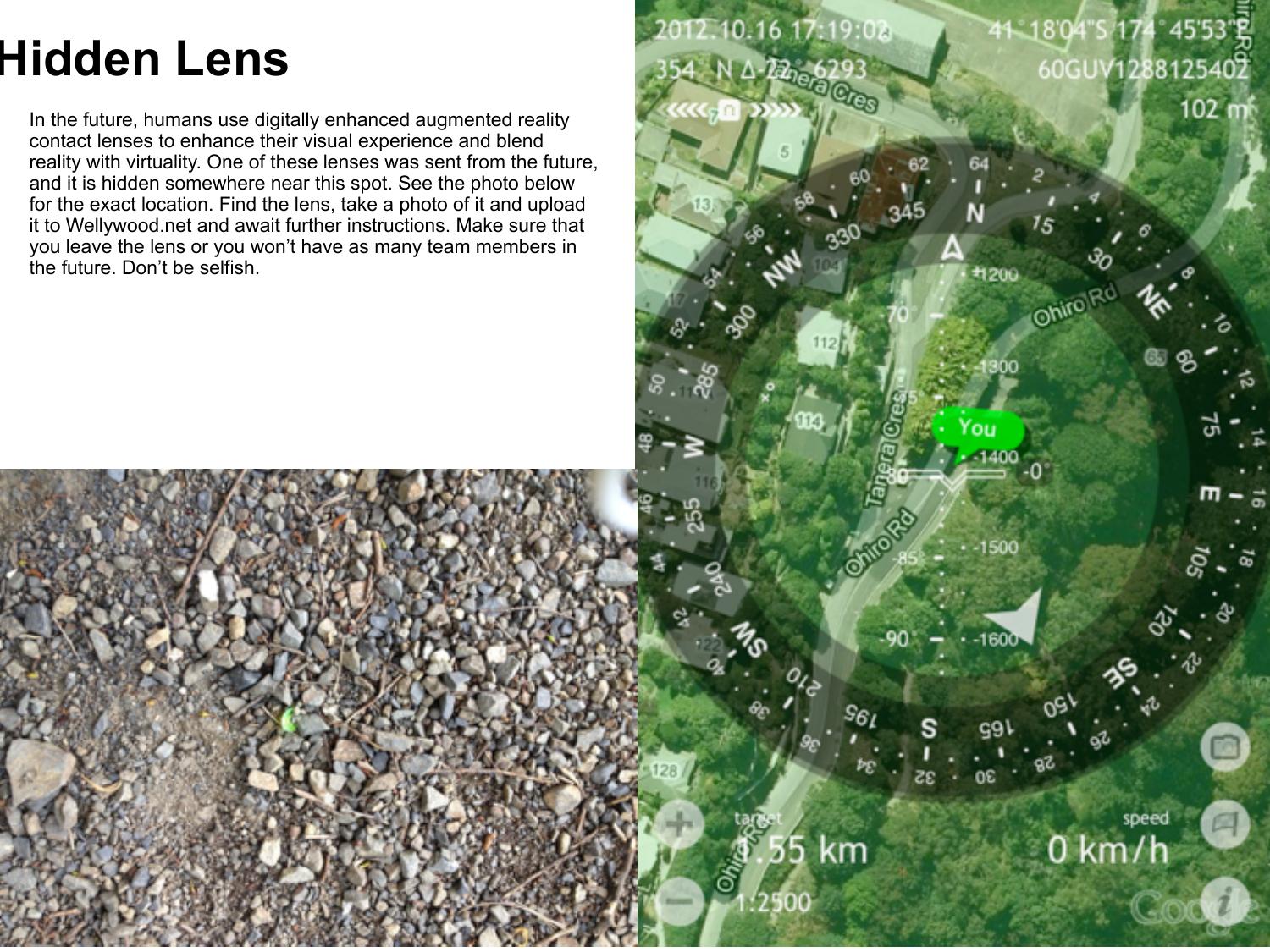
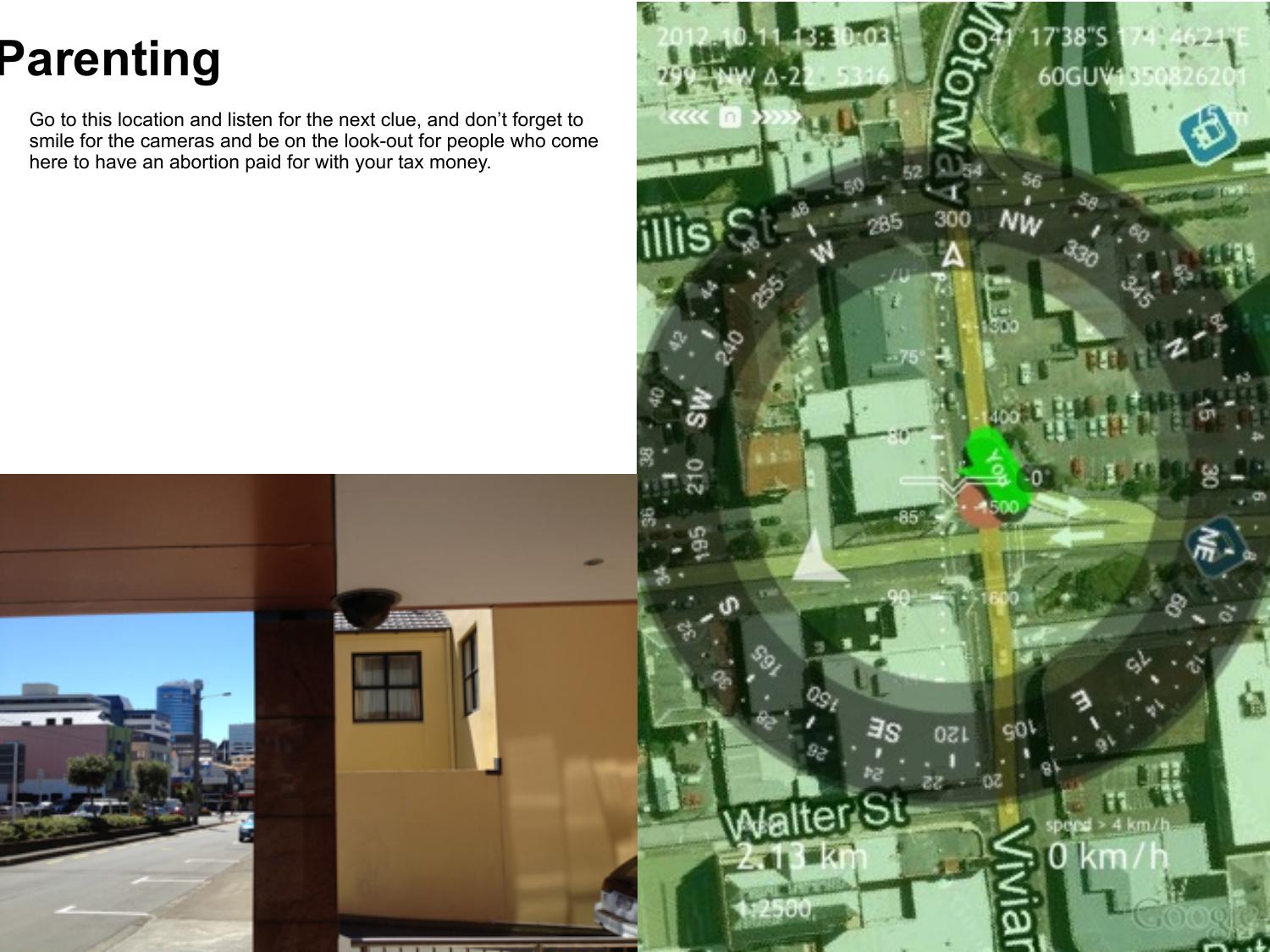
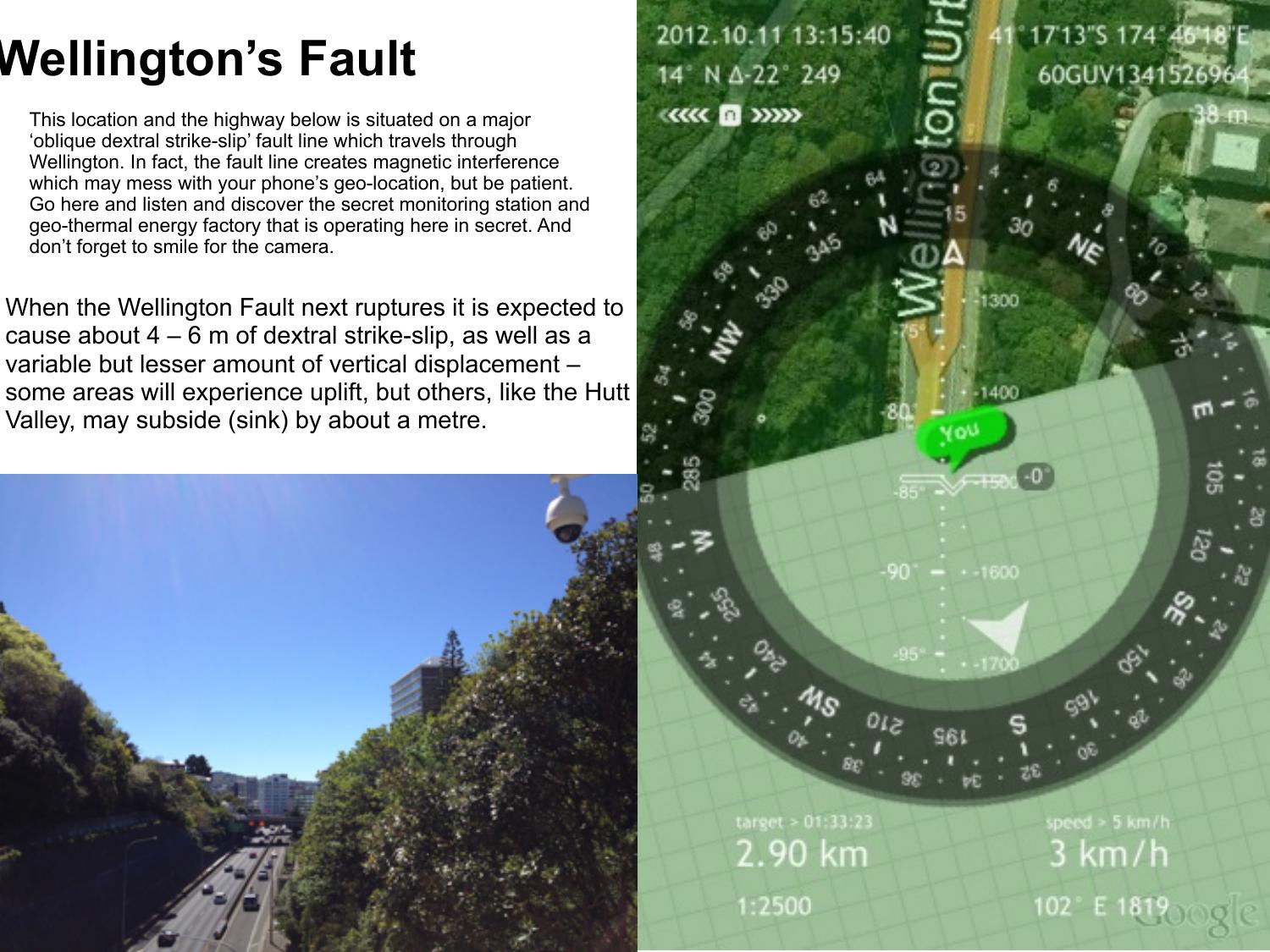
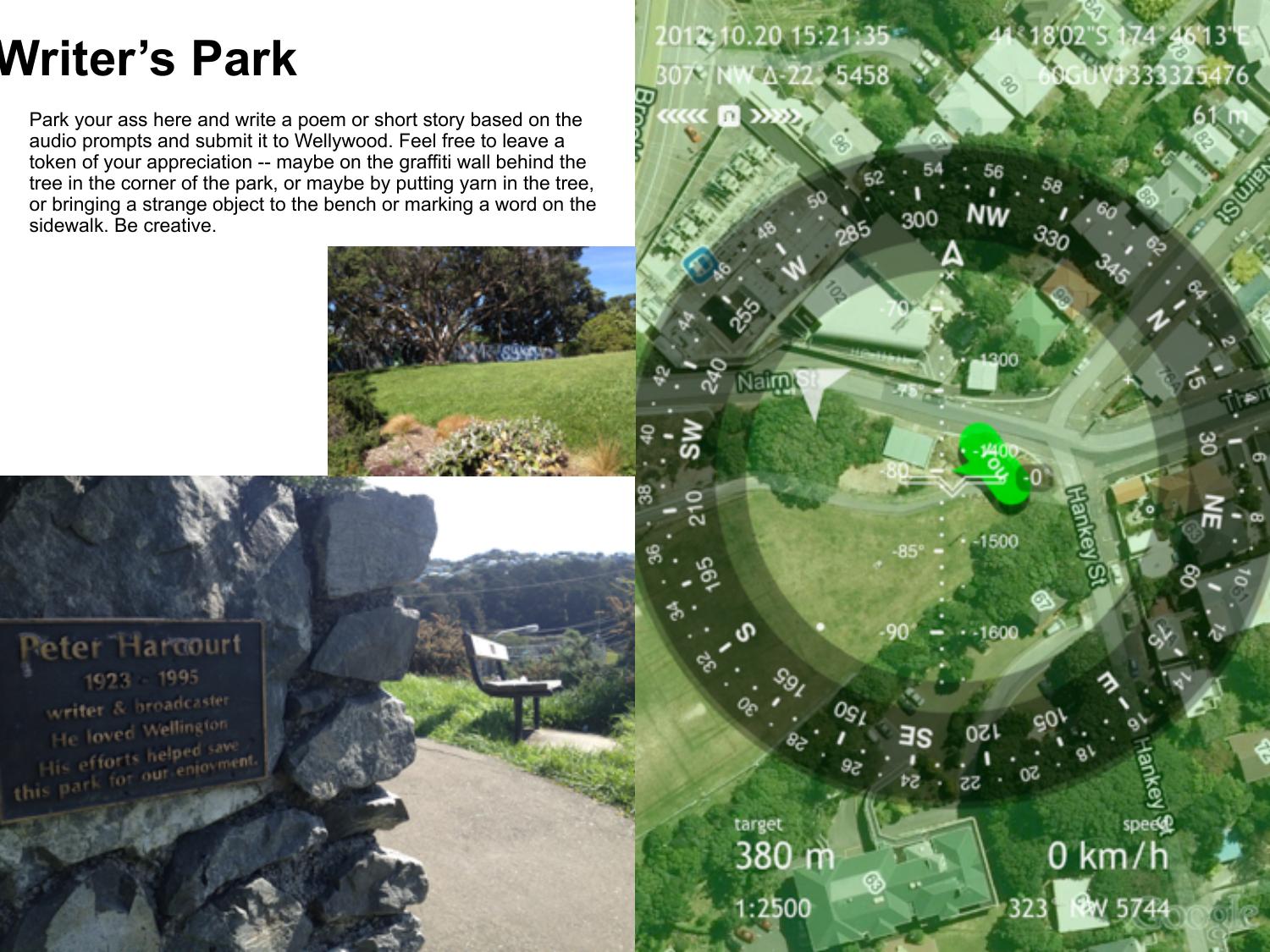
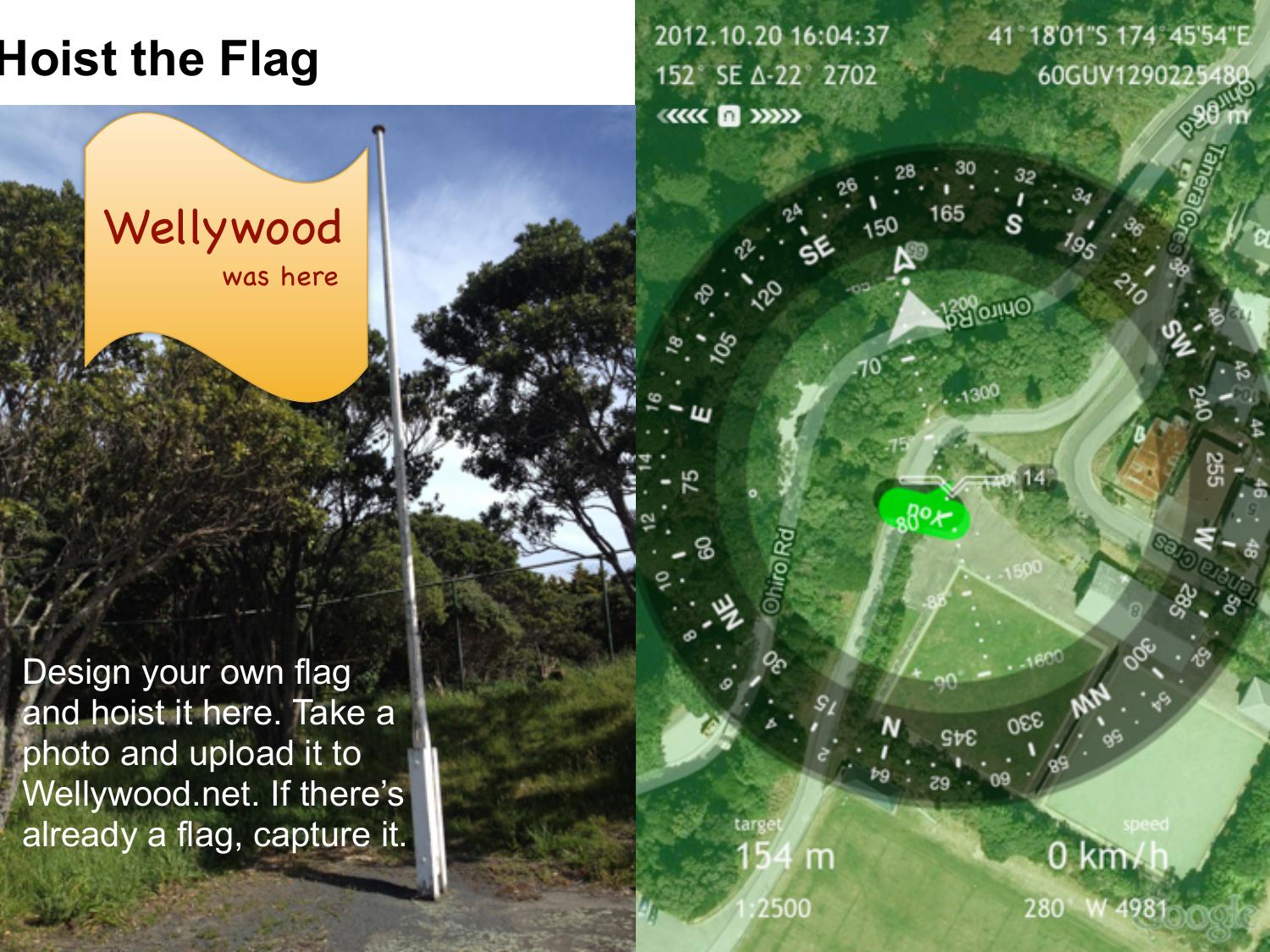
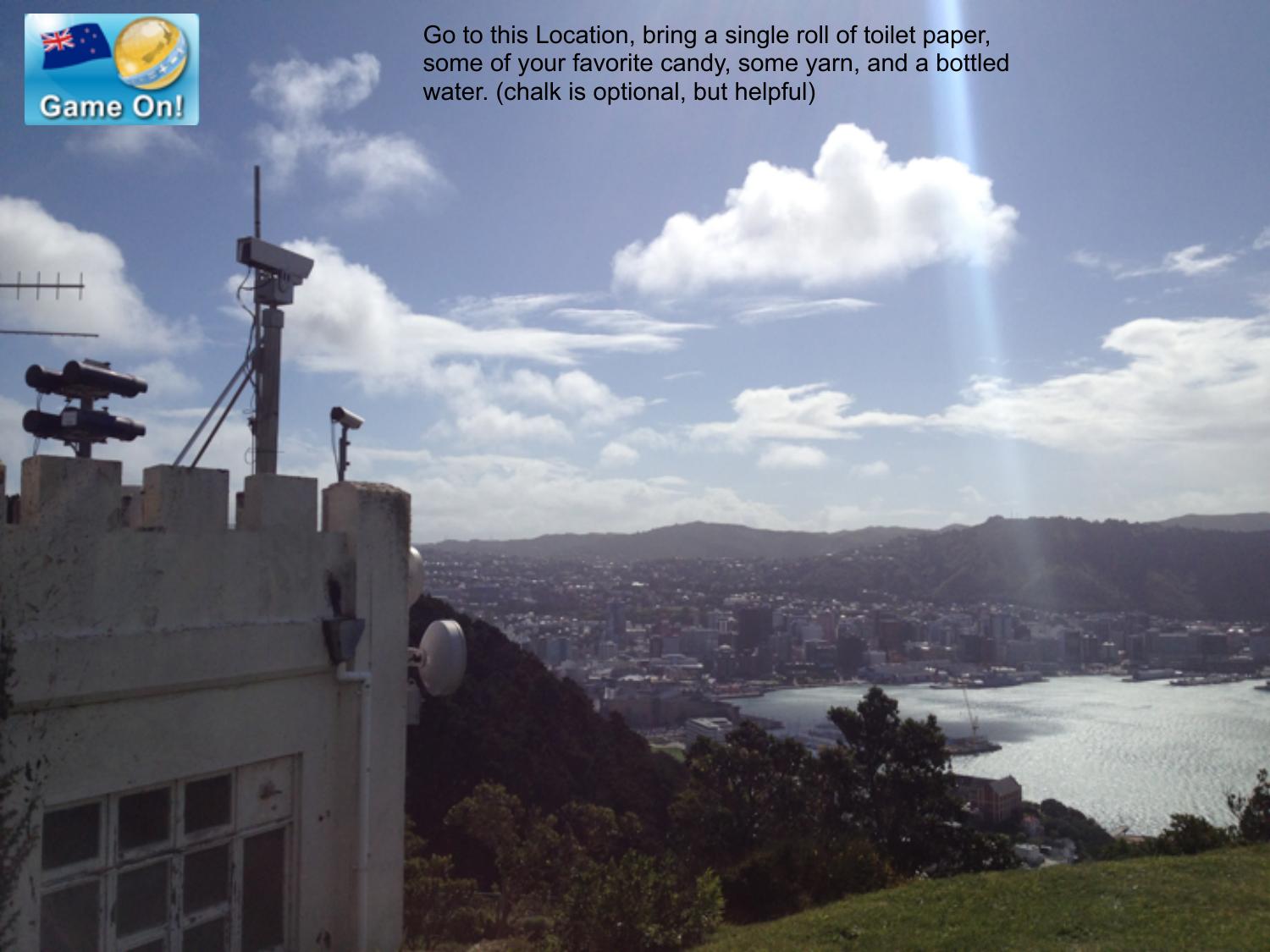
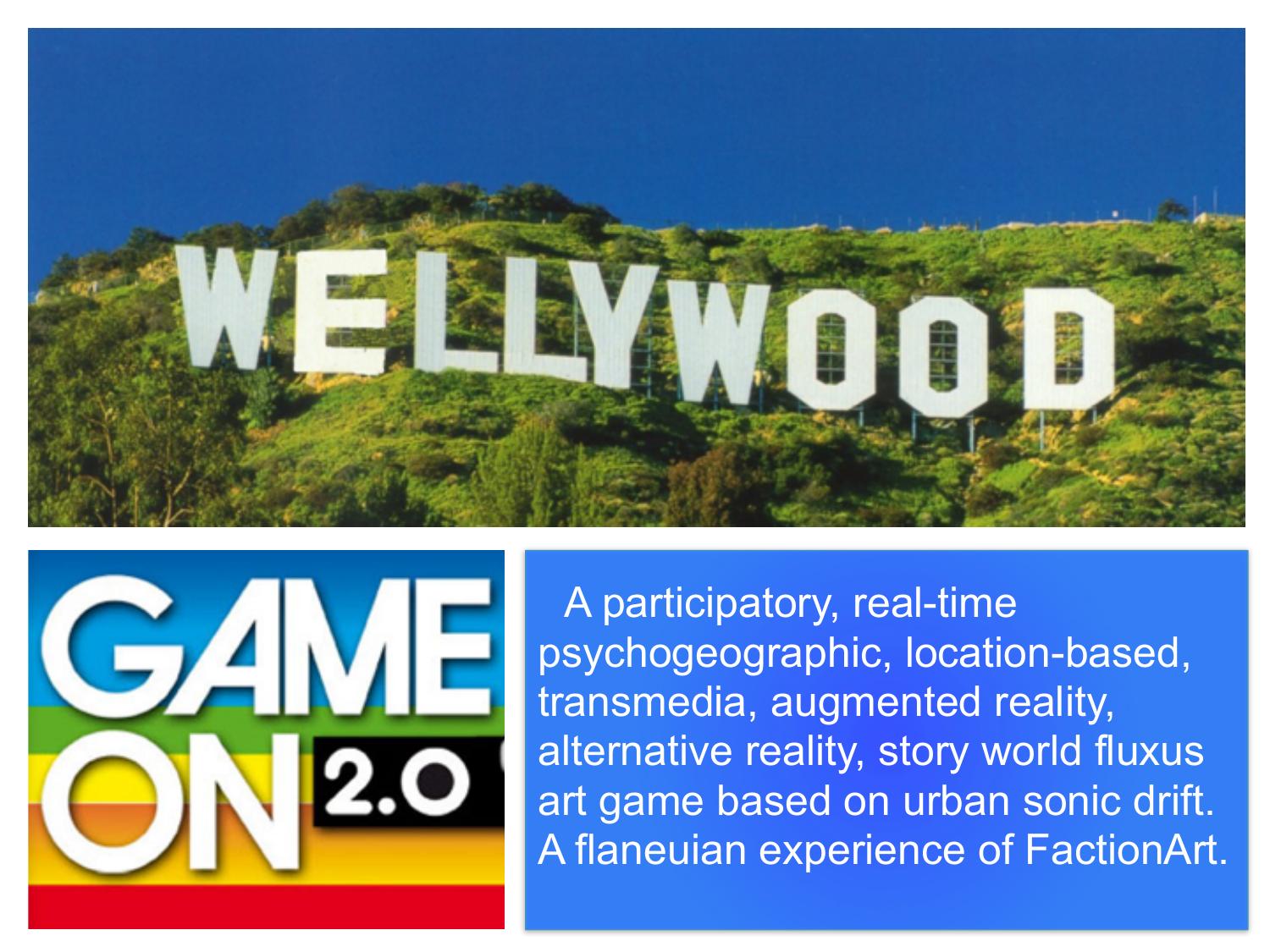
A location-based street game built for Wellington on the RJDJ reactive-audio platform, using the same binaural sound production as a Kaka's Soham Meditation: three-dimensional, headphone-delivered audio that places a fabricated sonic world inside the listener's own perceptual space. As a player moved through the physical city, their GPS position and motion triggered an immersive audio narrative keyed to specific streets and sites — a work of audio augmented reality and geolocative participation, where the medium is the listener's own walk through Wellington and the story unfolds across the city, the body, and the device at once. This is transmedia storytelling in the literal sense: the narrative lives across physical place, locative trigger, and binaural sound rather than in any single channel.

Then RJDJ withdrew the platform from public access in a pivot to corporate advertising content, and the work was destroyed mid-project. Its destruction became its significance: a direct encounter with the platform dependency trap, the dynamic in which creative work built on proprietary infrastructure can be erased by a corporate decision, years before this became a defining anxiety of the creative economy.

The response is the second half of the work: build your own infrastructure. Wellywood became JoyGeo. The specific Wellington game became a universal platform-building project. The content became the infrastructure. The local became the global.

Track 1 — Actionaut Intro.
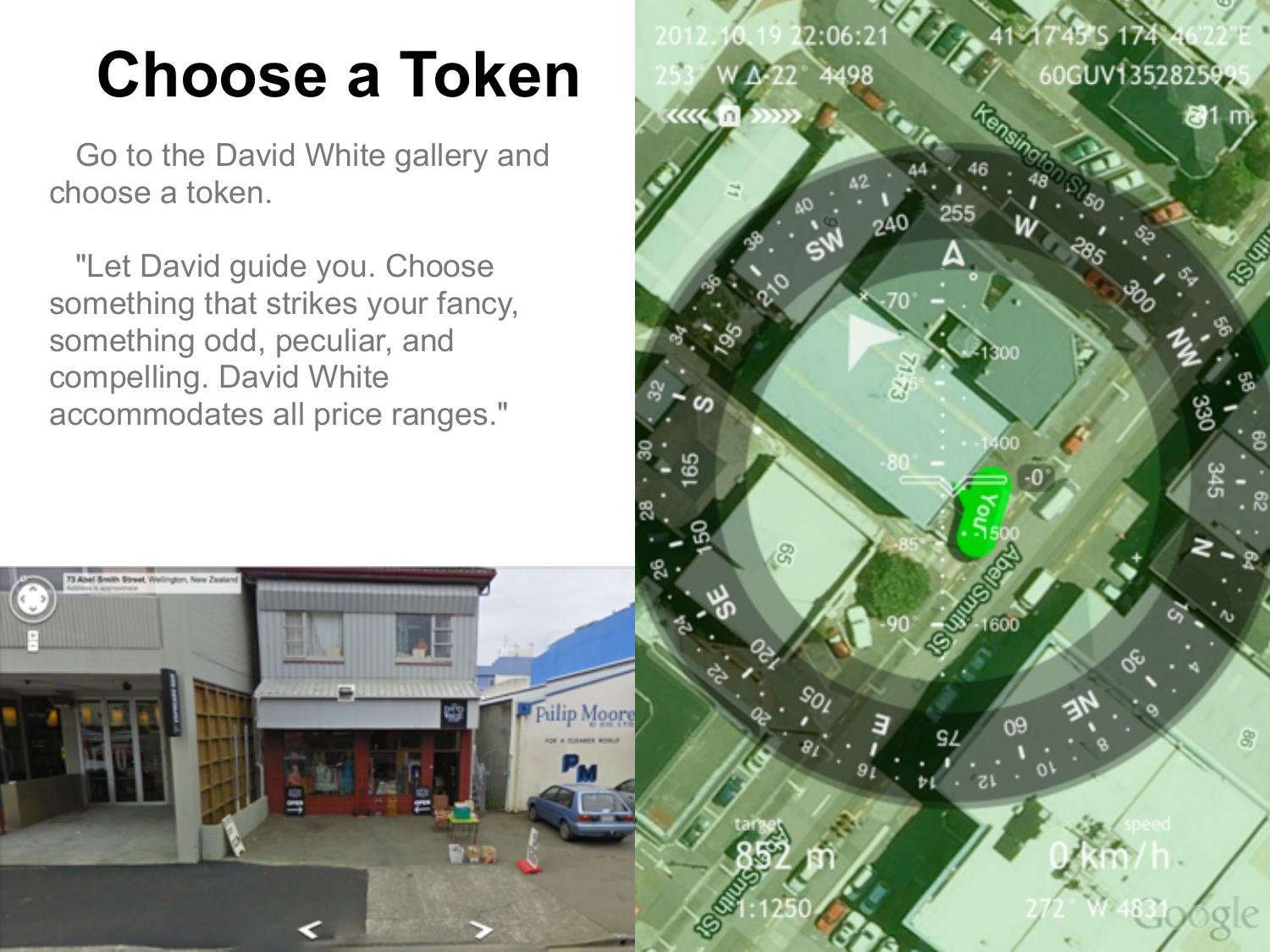
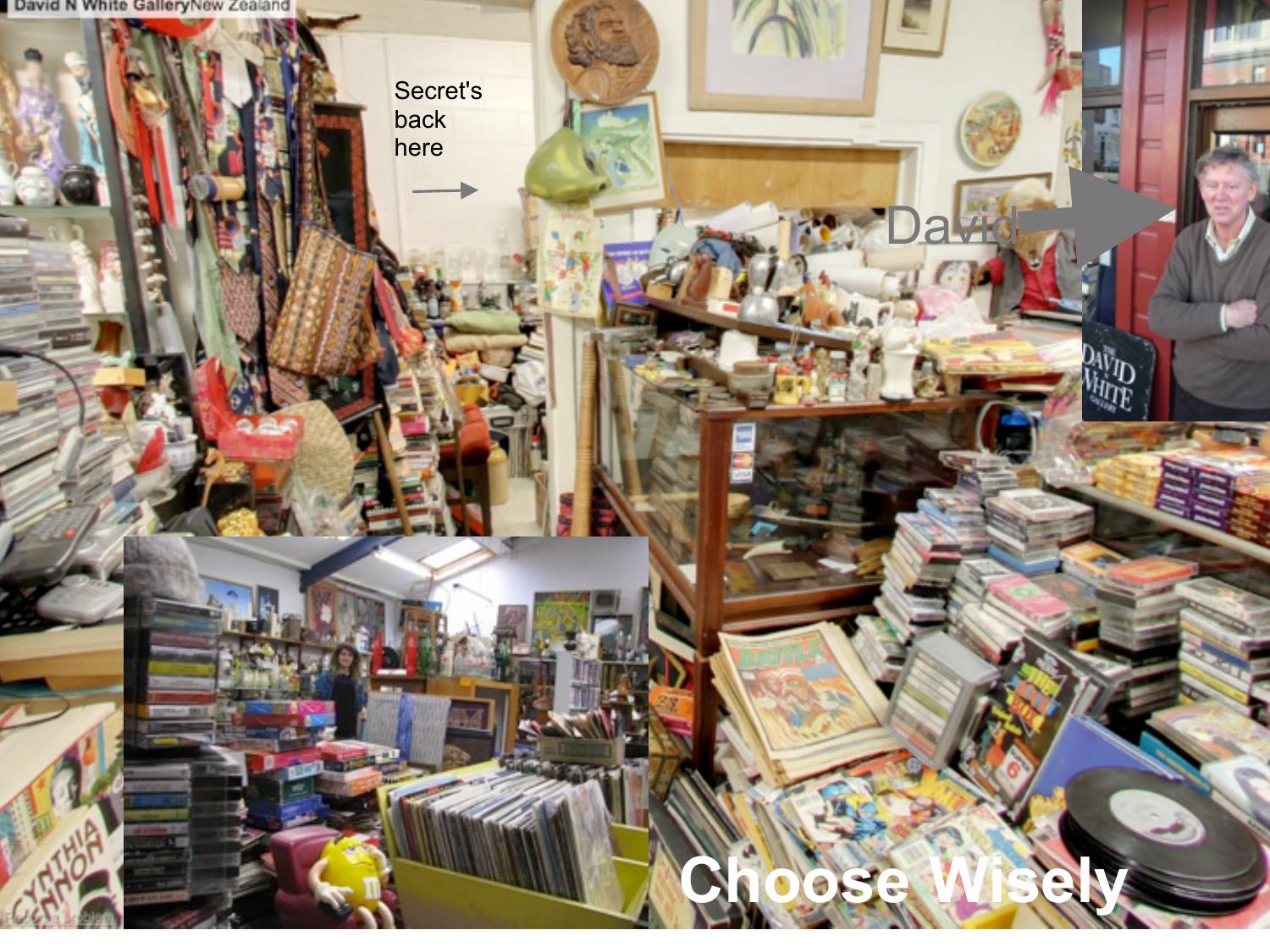
Track 2 — David White Gallery.
Track 3 — Glover Park Mission.

Gallery

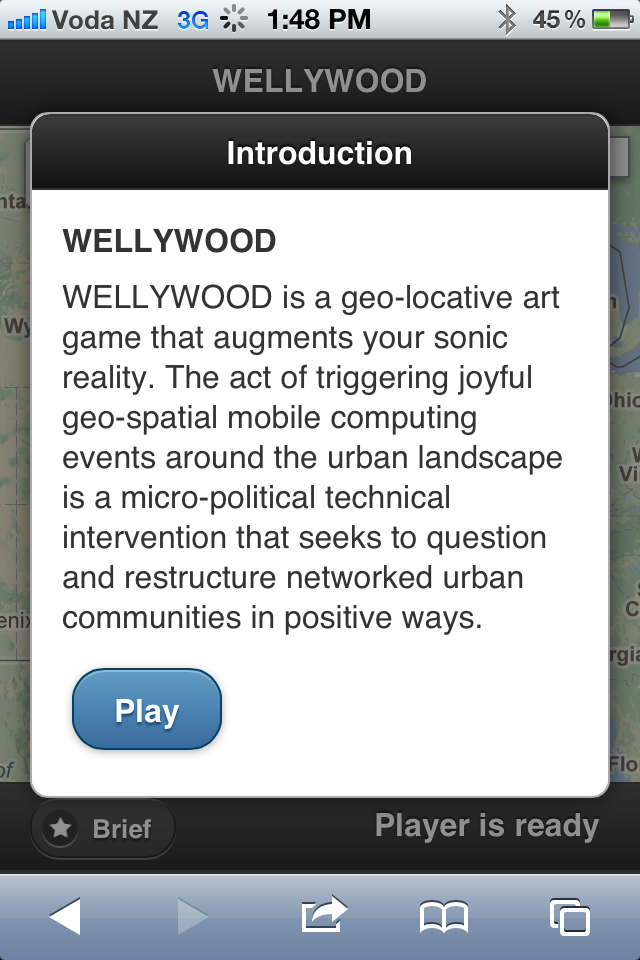
Wellywood — in-game introduction screen (iPhone).
Wellywood — page 3 of 21.
Wellywood — page 4 of 21.
Wellywood — page 5 of 21.
Wellywood — page 6 of 21.
Wellywood — page 7 of 21.
Wellywood — page 8 of 21.
Wellywood — page 9 of 21.
Wellywood — page 10 of 21.
Wellywood — page 11 of 21.
Wellywood — page 12 of 21.
Wellywood — page 13 of 21.
Wellywood — page 14 of 21.
Wellywood — page 15 of 21.
Wellywood — page 16 of 21.
Wellywood — page 17 of 21.
Wellywood — page 18 of 21.
Wellywood — page 19 of 21.
Wellywood — page 20 of 21.
Wellywood — page 21 of 21.
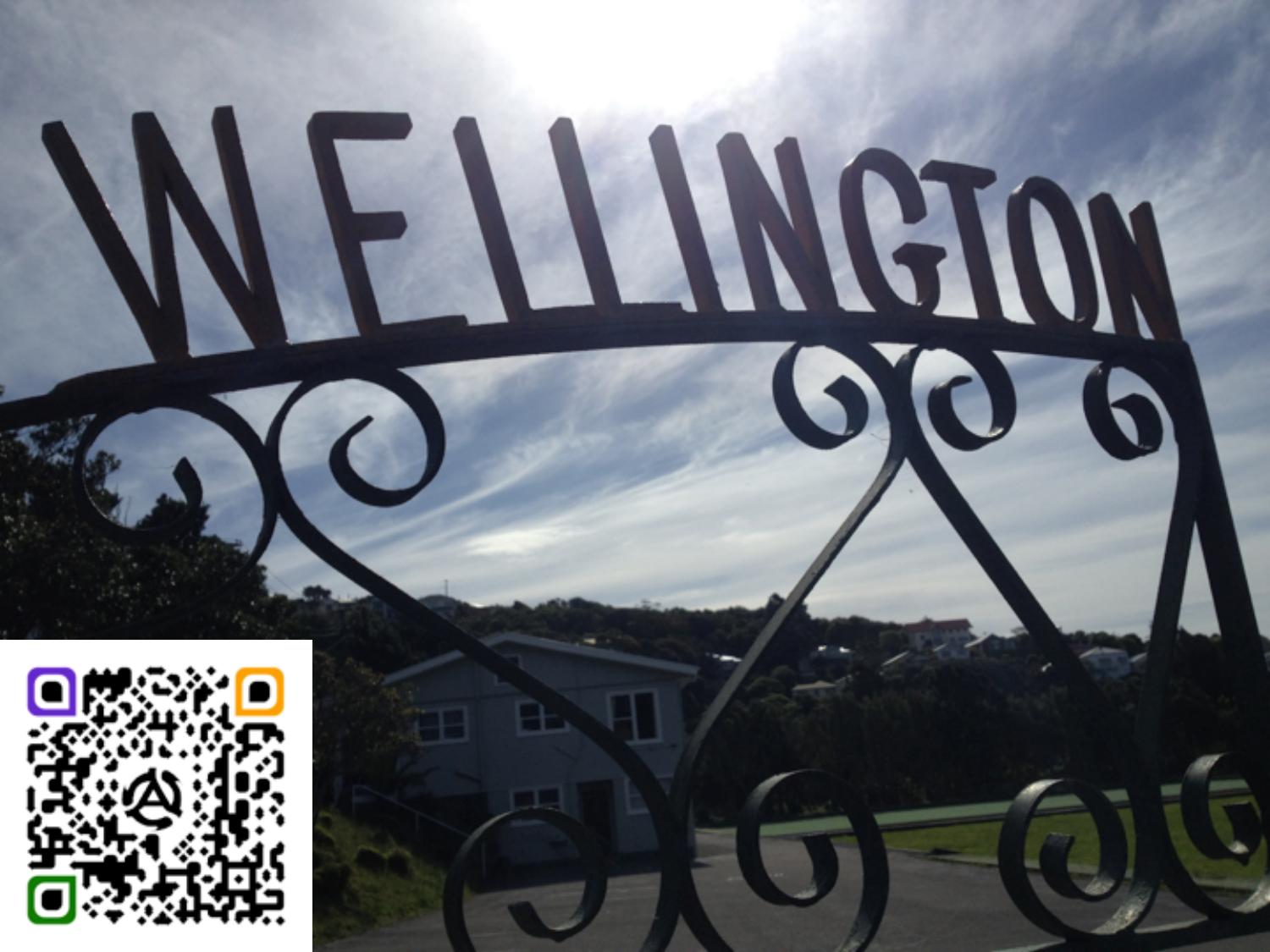
Wellywood — page 2 of 21.

Lineage — Teri Rueb's Trace (1999), the pioneering GPS-triggered sound installation in which a hiker's position and movement called up an immersive audio world, and the locative-media art that grew from the Situationist dérive and psychogeography (Guy Debord) into networked, geolocative form (Blast Theory's Can You See Me Now?, 2001; Mark Shepard's Tactical Sound Garden, 2006). Its binaural, headphone-delivered construction shares the audio-AR lineage of Janet Cardiff's audio walks, while its narrative-across-channels structure belongs to transmedia storytelling as Henry Jenkins named it in Convergence Culture (2006). As a work surviving only as the documented account of its own erasure, it also joins the dematerialized tradition of conceptual art.

Built with the RJDJ reactive-audio platform (binaural/immersive audio engine, since withdrawn), GPS location triggers, Wellington street geography, iPhone, headphones.